One: "Do or Do Not; there is no TRY" (Quote - Yoda)
For Jedi warriors and guitar players alike this is an essential idea throughout your entire life as you fight the forces of the dark side or just the forces of your own lack of confidence. You will learn most of what you need to be a player just in the simple act of doing.
Two: "To climb steep hills requires a slow pace at first" (Quote - William Shakespeare)
Patience with persistence is the right combination for this essential idea, and whether it's 'To be, or not to be" will depend on just taking things as they come. Each individual connects the dots at different times, and rushing and cutting corners will not get you to your destination any quicker.
Three: "The main thing to do is relax and let your talent do the work" (Quote - Charles Barkley)
Tension is always an obstacle to efficient motion and mental acuity, so relax and enjoy the process of becoming a guitarist and appreciate the gift of being able to play and make music.
Four: "Never lose a holy curiosity" (Quote - Albert Einstein)
Be curious in discovering things about music, sounds, different approaches to technique and the things that make great guitarist great. Be a curious student of the whole of music.
Five: "It's not having what you want but wanting what you have" (Quote - Sheryl Crow)
Enjoy the simplicity of making music. Just you and your guitar will create timeless moments that will be like 'vitamins' for the soul. Don't look outside the resources at hand for some sort of special inspiration or magical prescription for success.
Friday, 3 April 2015

Tuesday, 17 March 2015
A Guitar Rig under $1000
 |
| Line 6 PodXT Pedalboard |
 |
| Gibson les Paul Studio |
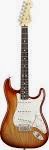 |
| American Fender Strat |
If I, personally, had only $1,000 in my budget for a guitar rig and knowing what I know as long time player and the basic needs I have for the gigs I play, I would gravitate towards getting either a used American-Made Fender Stratocaster or a used Gibson Les Paul Studio for around $800 and add to it a used Line 6 Pod at approximately $125 and a planet waves cable at $40 and a Levi strap at $30.
 |
| Line 6 PodXT |
Most of my budget would go into the guitar portion of the rig and the Line 6 Pod is a versatile multi-amp/multi-effect unit that will cover just about any style and plug straight into a PA or another amp. Having a good, tonally rich professional guitar is definitely the most important part of any rig. If I have a great guitar, I can feel confident plugging into a tonne of different qualities of amps and pedals and achieving a good tone.
Whatever direction your shopping takes you try to keep the quality of components high and the quantity of parts to a minimum. Remember the guitar is the most important part, and the rest of your rig can start small and grow over time.
Monday, 9 March 2015
Putting Together a Guitar Rig under $500
Sometimes the budget we have to spend on an electric guitar rig is limited. We might be a beginner just trying things out or maybe we have auditioned for a band, made it in as a guitarist, and need a rig to do the job well. A rig refers to the whole package of equipment we use as guitarists. It's the combination of guitars, pedals, cables, amps and any other accessories we might need for the role we play in a band. This blog will concentrate of keeping the overall price tag under $500.
Note: Stay away from the guitar/amp bundles in one box and from buying at Costco.
Setup #1 - Store bought

Yamaha Pacifica guitar - $290
Line 6 Spider 4 amp - $150
Guitar strap and cable - $15 - $20
 Setup #2 - Store bought
Fender Squire guitar - $200
Fender Mustang 2 amp - $250
Guitar strap and cable - $15 - $20

Setup #3 - Store bought
Epiphone Les Paul Special 2 - $230
Vox VT20 Plus - $230
Guitar strap and cable - $15 - $20
Mix and match from the lists above and compare by plugging in and making some noise at your local music store.
If your inclined to buy used gear off Craiglist you can usually get everything you need for about half the price of new guitar gear. You also might be able add some pedals or effects to your rig if you save money by buying used equipment. Try to enlist the help of another more experienced guitar shopper and have some patience until the right piece of gear appears at the right price.
Note: Stay away from the guitar/amp bundles in one box and from buying at Costco.
Setup #1 - Store bought
Yamaha Pacifica guitar - $290
Line 6 Spider 4 amp - $150
Guitar strap and cable - $15 - $20
Setup #2 - Store boughtFender Squire guitar - $200
Fender Mustang 2 amp - $250
Guitar strap and cable - $15 - $20
Setup #3 - Store bought
Epiphone Les Paul Special 2 - $230
Vox VT20 Plus - $230
Guitar strap and cable - $15 - $20
Mix and match from the lists above and compare by plugging in and making some noise at your local music store.
If your inclined to buy used gear off Craiglist you can usually get everything you need for about half the price of new guitar gear. You also might be able add some pedals or effects to your rig if you save money by buying used equipment. Try to enlist the help of another more experienced guitar shopper and have some patience until the right piece of gear appears at the right price.
Friday, 27 February 2015
The Participation Factor - Part 2
In the 'Participation Factor' (Getting to the Next Level - Part 1) I highlighted that the main stumbling block to developing as guitarists and musicians is in the lack of any consistent realtime playing opportunities. Opportunities that tend to keep us sharper, steadily improving, and applying all the stuff we learn in lessons and private study. Unlike sports there is no league of musicians organizing gigs and jam session and 'keeping score' and creating the 'competitive like' situations needed to elevate our playing to higher ground. I will attempt to outline some solutions that can be be modified and customized to fit your unique situations and playing abilities.
 The secret lies in being available for all things that are related to music. Whether your roadying for a friends band, singing in the church choir, playing folk songs at an old-folks home, performing for family functions, volunteering for local concerts, bringing your guitar to campfire situations, starting a lunchtime jam session or a guitar club at school, atteneding local music workshops, joining an A/V team, hosting a jam session at you home, or altering your expectations or style to get in a band. It's about your willingness to put yourself in music's way and get involved.
Jamming
Anytime musicians play together, whether making noise, noodling around, rehearsing, performing or recording, jamming can happen. Jamming is a term that simply means, making music together. This is probably the simplest and most laid-back way to get 'in the game' of playing. Try making an appointment with a fellow musician friend or two and improve your 'chops' through jamming. There are also local jam sessions going on in homes, pubs, and other public meeting places that you can discover through some digging and networking.
Gigging
One thing the modern technological world has failed in is in it's promise to expand opportunities and work for musicians. The amount of musicians gigging and performing for a living has noticeably declined in the last few years. Today, your rig can act like a super computer with bells and whistles that would make Jimi Hendrix's head spin and you've got the world at your fingertips but there's very few opportunities to let the 'fingers fly'. The ARTS are dying and being replaced by cheap entertainment, fadism, and a sad societal state of 'undisciplined abundance'. The problem is that in our communities we tend to 'consume' more than we 'produce' and that seeps into our personal worlds as well, creating vast amounts of wasted time - time we could be producing our personal art. This is a troubling problem for established player and extremely deflating for young talented player looking to break into the scene.

The good news is that the creative minority can impact change. Try doing some home-concerts, playing outdoor events in your town, teaming up with other local bands (musical co-ops), letting other artist know your talents are available, and create projects and bands for specific local events.
Be Willing and Available
The secret lies in being available for all things that are related to music. Whether your roadying for a friends band, singing in the church choir, playing folk songs at an old-folks home, performing for family functions, volunteering for local concerts, bringing your guitar to campfire situations, starting a lunchtime jam session or a guitar club at school, atteneding local music workshops, joining an A/V team, hosting a jam session at you home, or altering your expectations or style to get in a band. It's about your willingness to put yourself in music's way and get involved. Jamming
Anytime musicians play together, whether making noise, noodling around, rehearsing, performing or recording, jamming can happen. Jamming is a term that simply means, making music together. This is probably the simplest and most laid-back way to get 'in the game' of playing. Try making an appointment with a fellow musician friend or two and improve your 'chops' through jamming. There are also local jam sessions going on in homes, pubs, and other public meeting places that you can discover through some digging and networking.
Gigging
One thing the modern technological world has failed in is in it's promise to expand opportunities and work for musicians. The amount of musicians gigging and performing for a living has noticeably declined in the last few years. Today, your rig can act like a super computer with bells and whistles that would make Jimi Hendrix's head spin and you've got the world at your fingertips but there's very few opportunities to let the 'fingers fly'. The ARTS are dying and being replaced by cheap entertainment, fadism, and a sad societal state of 'undisciplined abundance'. The problem is that in our communities we tend to 'consume' more than we 'produce' and that seeps into our personal worlds as well, creating vast amounts of wasted time - time we could be producing our personal art. This is a troubling problem for established player and extremely deflating for young talented player looking to break into the scene.
The good news is that the creative minority can impact change. Try doing some home-concerts, playing outdoor events in your town, teaming up with other local bands (musical co-ops), letting other artist know your talents are available, and create projects and bands for specific local events.
Sunday, 15 February 2015
The Participation Factor (Getting to the Next Level) - Part 1
I've had quite a growing number of students in the past few years having a tougher time getting to that 'next level' in their guitar playing. It's seems to be mostly in the areas of technique, creativity, and the practical theory(know-how) needed to be an effective live player and performer. In my opinion, the problem is a clear and simple one but the solution is more complex and illusive. As live playing opportunities dwindle in the age of electronic and canned music it's harder than ever for guitarists to sharpen their skills and keep in game shape.
Getting in the Game:
Imagine if you practised with your hockey, soccer, football, or baseball team but never got to play in a single game. Over the course of time you would improve in your skills and know-how but without the competition and intensity of a game situation your skills would eventually stagnate and never reach their full potential. In this situation, most people would lose their interest in the sport along the way, and with it, all the reasons why we play and compete; for a fun, challenging and healthy physical activity that can build fitness, character, friendships and self-confidence.
An athlete gains so much knowledge by just participating in a sport. Focus, discipline, hard work, goal setting and, of course, the thrill of finally achieving your goals. These are all lessons in life. -Kristi Yamaguchi
 Getting 'In the Game' for musicians is by participating in a real live musical situations like a; concert, recital, jam session, church worship, camp-fire singing, open-mic night, choir, or any event where you share and/or combine your talents with other musicians for or within a small or large group of people. How this gets us to the next level of our playing is easy to see. To share and communicate music well, we need an increase in our preparation (more practice), know-how (application of theory), commitment (faithful participation) and experience (long-term musical activity).
...but, unlike sports, for musicians there isn't a coach or manager mandating practice and holding one accountable for participation, preparation and for scheduling the games. We have to instigate our own involvement and be active in the musical and art community around us. This is the main roadblock of developing as guitarists our post-modern times and as I see it, the number one reason why so many students 'spin their tires' trying to reach that next level of playing.
Part 2 will look at some solutions...
Getting in the Game:
Imagine if you practised with your hockey, soccer, football, or baseball team but never got to play in a single game. Over the course of time you would improve in your skills and know-how but without the competition and intensity of a game situation your skills would eventually stagnate and never reach their full potential. In this situation, most people would lose their interest in the sport along the way, and with it, all the reasons why we play and compete; for a fun, challenging and healthy physical activity that can build fitness, character, friendships and self-confidence.
An athlete gains so much knowledge by just participating in a sport. Focus, discipline, hard work, goal setting and, of course, the thrill of finally achieving your goals. These are all lessons in life. -Kristi Yamaguchi
Getting 'In the Game' for musicians is by participating in a real live musical situations like a; concert, recital, jam session, church worship, camp-fire singing, open-mic night, choir, or any event where you share and/or combine your talents with other musicians for or within a small or large group of people. How this gets us to the next level of our playing is easy to see. To share and communicate music well, we need an increase in our preparation (more practice), know-how (application of theory), commitment (faithful participation) and experience (long-term musical activity)....but, unlike sports, for musicians there isn't a coach or manager mandating practice and holding one accountable for participation, preparation and for scheduling the games. We have to instigate our own involvement and be active in the musical and art community around us. This is the main roadblock of developing as guitarists our post-modern times and as I see it, the number one reason why so many students 'spin their tires' trying to reach that next level of playing.
Part 2 will look at some solutions...
Saturday, 7 February 2015
My Personal Electric Guitar Setup
Although I don't obsess that much about gear, I do work hard at searching and researching for the right pieces to keep my gear setup small, easy to use and great sounding. Students of the guitar can benefit from following the advice and footprints of more experienced players gear setups.
Guitars:
For my main electric I use a Fender Hotrod '62 Stratocaster. It a great sounding re-issued guitar made by Fender that takes the features and specifications of a vintage 1962 Strat and "hotrods" it by adding a slightly wider neck and bigger frets for better performance. It's has a the classic sound of a strat, but has a warmth and fatness to it that reminds me of some of the characteristics of a Gibson Les Paul. It allows me to play a variety of styles and contexts from just one guitar, and that's important for the wide range of gigs and teaching that I do.
Pedal setup:
Guitar -into- Xotic EP boost - 1982 Ibanez TS-9 Tube Screamer - Carl Martin PlexiTone S - Ethos Overdrive/Preamp - T.C. Electronic Flashback Delay - Stymon BlueSky Reverb - P.A.
Above is my small pedal/preamp signal path setup. My Hotrod '62 plugs first into an EP Boost pedal. The EP boost is a clean boost that adds a nice boost to my signal and a extra fatness to my tone. I keep this pedal on most of the time. The vintage tube screamer is one of the most sought after overdrive pedals of the last 30 years and I use it primarily as an additional gain stage for guitar solos. It adds a creaminess and sustain that I love. Next is the Plexitone pedal. I have always been a fan of old Marshall Plexi Amps and this pedal really delivers a warm Marshall tone with a nice range of gain for different playing situations. The Custom Tones Ethos overdrive acts as my amp, or more specifically my preamp in that it shapes my overall guitar tone. It has the sound of the famous Dumble Overdrive Amp that has fueled the tones of guitarist like John Mayer, Keith Urban, Robben Ford, Larry Carlton, Stevie Ray Vaughan and Santana. Right now, I generally use it for it's great clean amp sound and use my pedals to add the crunch. The Ethos has a clean channel, an overdrive channel and a lead boost built into one. I then go out of the speaker simulated output of the Ethos to the T.C. delay/looper. I generally use the 2290 preset and a fairly long delay time. This pedal has to be the best small pedal delay I've ever heard. Next is the Strymon reverb. Strymon, in my opinion is at the top pedal maker in the world and the BlueSky delivers a quiet and beautifully transparent reverb and a cool shimmer feature that I use as preset favourite. Personally, I always put my boost, wahs, compressors, and drive pedals before the amp and the delays, chorus' and reverbs after the amp - it just sounds cleaner and better to my ears.
Depending on the style of music I'm playing, I might change the pedal order around or make changes and tweaks to my normal preset sounds of the pedals to suite the style of a particular song.
I will feature one or more of these pedals each month on this Blog. Just click on the pedal to get information or a demo of the pedal. My whole setup can fit on a small pedalboard; small enough to fit in the overhead compartment on a plane or carried and setup easily in a local show or session.
Amps?
Sorry! I don't have an amp anymore. I generally plug straight into a PA system and monitor my sound through the stage monitors, in-ear monitors, or a small powered speaker that can fit in my suitcase. On some bigger gigs/shows I have them (promoters/clients) rent me an amp like a Fender Deluxe or a Blues Deville. I have just got tired of lugging a heavy tube amp around in a heavy flight case and hoping it arrives in working order. This also keep the gear budget in balance and relation to my income as a player and the needs and general cost of living in a modern family.
Final Thoughts
If I were to expand things, I would lean towards adding a Stymon Mobius, a Dunlop Wah, and possibly a small Tube amp for a bit more headroom on my sound.
Guitars:
For my main electric I use a Fender Hotrod '62 Stratocaster. It a great sounding re-issued guitar made by Fender that takes the features and specifications of a vintage 1962 Strat and "hotrods" it by adding a slightly wider neck and bigger frets for better performance. It's has a the classic sound of a strat, but has a warmth and fatness to it that reminds me of some of the characteristics of a Gibson Les Paul. It allows me to play a variety of styles and contexts from just one guitar, and that's important for the wide range of gigs and teaching that I do.
Pedal setup:
Guitar -into- Xotic EP boost - 1982 Ibanez TS-9 Tube Screamer - Carl Martin PlexiTone S - Ethos Overdrive/Preamp - T.C. Electronic Flashback Delay - Stymon BlueSky Reverb - P.A.
 |
| Ethos Overdrive |
 |
| Carl Martin PlexiTone |
Depending on the style of music I'm playing, I might change the pedal order around or make changes and tweaks to my normal preset sounds of the pedals to suite the style of a particular song.
I will feature one or more of these pedals each month on this Blog. Just click on the pedal to get information or a demo of the pedal. My whole setup can fit on a small pedalboard; small enough to fit in the overhead compartment on a plane or carried and setup easily in a local show or session.
Amps?
Sorry! I don't have an amp anymore. I generally plug straight into a PA system and monitor my sound through the stage monitors, in-ear monitors, or a small powered speaker that can fit in my suitcase. On some bigger gigs/shows I have them (promoters/clients) rent me an amp like a Fender Deluxe or a Blues Deville. I have just got tired of lugging a heavy tube amp around in a heavy flight case and hoping it arrives in working order. This also keep the gear budget in balance and relation to my income as a player and the needs and general cost of living in a modern family.
Final Thoughts
If I were to expand things, I would lean towards adding a Stymon Mobius, a Dunlop Wah, and possibly a small Tube amp for a bit more headroom on my sound.
Thursday, 29 January 2015
String choices - Electric and Acoustic
Choosing the right set of strings can help improve tone, performance and tuning between changes. Although most string companies seem to offer very slight variations of the same product, the individual tone of feel of certain brands are well worth exploring to add the extra punch, clarity or a unique characteristic you might be looking for.
String Thickness or Gauges
Most electric guitars you pick up in a store will have 9's on them. That number refers to the thickness of the 1st string (.009 of an inch) and is a good place for beginners to start. As you improve you might try 10's or 11's for a bigger tone or a firmer feel. I use 10's for their fairly light tension, bold tone and responsiveness when I dig in with more aggressive picking.
Most acoustic guitars are strung with gauge 12's. This thickness of string is a nice balance between playability, durability, and general wear and tear on the guitar. Lighter strings will give you easier playability but less durability and might promote more buzzing on the guitar. Heavier strings will create better tone and durability but will tougher to play. Again, it's about trying different scenarios out to get a feel for what feels best for your fingers and your style of play.
Type or Style of Strings
This area is a where most players experiment and try different things. Different string options like round-wound, flat-wound, hexegon-core, gortex coating, and all the different type of metals used in the construction of strings can create subtle nuances for an individual players sound and can be frequently changed to add a fresh sound or unique tone to update and refresh you're style. Many higher end guitars like Taylors, Larivees, Collings', Goodalls and Santa Cruz's are fitted with Elixer Phosphor Bronze lights on all the guitars they sell. They last incredibly long: so long that at twice the price of a regular pack of strings, your string budget will actually go down.
String Brands

 I use D'Addarrio NYXL 10's on my electrics and Elixer Phosphor Bronze lights on my acoustics. The D'Addarrio NYXL's are more expensive than other electric strings but they add more punch, volume, and stay in better tune than any other string that I have tried. On acoustic guitar, I avoided Elixer strings for years because I thought the idea of a gortex coating on acoustic strings was unmusical but I have since been pulled over to using them. They are double the price of regular acoustic strings but last 3 - 4 times as long and have consistently good tone and presence throughout their time on the guitar.
Good Brand to choose from:
Some good brand choices for acoustic and electric strings are: D'Addario, Martin, Ernie Ball, Dean Markley, Elixer, GHS, and DR. They can be found easily in most local music stores.
“The guitar is a small orchestra. It is polyphonic. Every string is a different color, a different voice.”
- Andre Segovia
String Thickness or Gauges
Most electric guitars you pick up in a store will have 9's on them. That number refers to the thickness of the 1st string (.009 of an inch) and is a good place for beginners to start. As you improve you might try 10's or 11's for a bigger tone or a firmer feel. I use 10's for their fairly light tension, bold tone and responsiveness when I dig in with more aggressive picking.
Most acoustic guitars are strung with gauge 12's. This thickness of string is a nice balance between playability, durability, and general wear and tear on the guitar. Lighter strings will give you easier playability but less durability and might promote more buzzing on the guitar. Heavier strings will create better tone and durability but will tougher to play. Again, it's about trying different scenarios out to get a feel for what feels best for your fingers and your style of play.
Type or Style of Strings
This area is a where most players experiment and try different things. Different string options like round-wound, flat-wound, hexegon-core, gortex coating, and all the different type of metals used in the construction of strings can create subtle nuances for an individual players sound and can be frequently changed to add a fresh sound or unique tone to update and refresh you're style. Many higher end guitars like Taylors, Larivees, Collings', Goodalls and Santa Cruz's are fitted with Elixer Phosphor Bronze lights on all the guitars they sell. They last incredibly long: so long that at twice the price of a regular pack of strings, your string budget will actually go down.
String Brands
I use D'Addarrio NYXL 10's on my electrics and Elixer Phosphor Bronze lights on my acoustics. The D'Addarrio NYXL's are more expensive than other electric strings but they add more punch, volume, and stay in better tune than any other string that I have tried. On acoustic guitar, I avoided Elixer strings for years because I thought the idea of a gortex coating on acoustic strings was unmusical but I have since been pulled over to using them. They are double the price of regular acoustic strings but last 3 - 4 times as long and have consistently good tone and presence throughout their time on the guitar.Good Brand to choose from:
Some good brand choices for acoustic and electric strings are: D'Addario, Martin, Ernie Ball, Dean Markley, Elixer, GHS, and DR. They can be found easily in most local music stores.
“The guitar is a small orchestra. It is polyphonic. Every string is a different color, a different voice.”
- Andre Segovia
Subscribe to:
Posts (Atom)